The short answer
What should a Westchester driver know before booking professional car care?
Detailing cleans and restores the vehicle, paint correction improves defects such as swirls and haze, and ceramic coating adds longer-term protection after the paint is prepared. In Westchester, winter road treatment, pollen, sap, commuter mileage and seasonal grime make regular maintenance especially valuable. Professor Detail Auto Care provides these services throughout Westchester with a self-contained mobile setup carrying onboard water and power.
DetailingClean, restore, maintain.
Interior and exterior car care brought directly to your driveway.
Ceramic coatingLong-term paint protection.
A chemically resistant sacrificial layer over properly prepared paint.
Paint correctionRestore clarity and depth.
Machine polishing for swirls, haze and other correctable paint defects.
Start here
Detailing, correction, or coating?
These services solve different problems. The simplest way to choose is to start with what you want changed about the vehicle.
| Service | Best for | What it changes | What it does not do |
|---|
| Professional detailing | Dirty interiors, road film, neglected exterior surfaces, seasonal cleanup | Deep-cleans the interior and exterior and can add short-term protection | Does not permanently remove paint defects such as swirls or scratches |
| Paint correction | Swirls, haze, oxidation, light scratches and dull paint | Machine-polishes the clear coat to improve clarity and reflection | Cannot safely remove every deep scratch or damage that extends through the clear coat |
| Ceramic coating | Drivers who want easier washing, gloss and multi-year paint protection | Adds a durable hydrophobic layer after proper paint preparation | Does not stop rock chips, dents or eliminate the need for washing |
What does professional car care cost?
Vehicle size and condition matter more than mileage or model year. Heavy pet hair, deep staining, oversized vehicles and significant paint defects add labor. The figures below are useful starting points, not flat prices for every vehicle.
| Service | Typical Professor Detail starting point | Main pricing variables |
|---|
| Full detail | Starts at $299 | Vehicle size, interior condition, pet hair, staining and exterior contamination |
| Paint correction | Quoted after paint condition and goals are discussed | Defect severity, paint hardness, desired correction level and vehicle size |
| Ceramic coating | Currently starts at $699 | Vehicle size, paint preparation, correction required and coating selected |
Prices can change as packages and vehicle conditions vary. A photo review or in-person inspection may be needed before a final quote.
New York conditions
Why winter changes the car-care equation.
Westchester vehicles encounter more than ordinary dust. New York road agencies use salt and brine as part of winter storm treatment, so winter-driven vehicles routinely pick up salty road film along lower doors, rocker panels, wheel wells and rear bodywork.
i
Road salt is a real local variable.NYSDOT explains that it uses road salt and brine before and during winter storms to prevent snow and ice from bonding to pavement. For vehicle owners, that means regular winter washing and attention to lower body areas are practical maintenance steps—not just cosmetic ones.
What we seeSalt & road film
Winter contamination tends to collect low on the vehicle, especially behind wheels, along rocker panels and across the rear hatch or bumper.
Warm monthsPollen, sap & insects
Spring and summer bring heavy pollen, tree sap and insect residue that can bond to exterior surfaces when left in place.
Daily useCommuter interiors
Floor mats, carpet edges, cup holders, door pockets and high-touch plastics usually show wear long before the rest of the cabin.
Ceramic coating
Why ceramic coating is especially valuable in Westchester.
Ceramic coating does more than make water bead. Once bonded to properly prepared paint, it creates a durable, chemically resistant sacrificial layer over the clear coat. That extra barrier helps keep road salt, acidic bug residue, bird droppings, tree sap, mineral deposits, grime and other environmental contaminants from bonding directly to the paint, reducing the chance of staining or etching when contamination is removed promptly.
Chemical resistanceA barrier between contaminants and clear coat
Road treatments, acidic organic residue and other chemicals still land on a coated vehicle, but they encounter the coating first instead of bare clear coat. The coating is designed to resist chemical attack and make contamination easier to remove before it can sit against the paint for long periods.
Easier maintenanceDirt and road film release more readily
The slick, hydrophobic surface reduces how strongly water, grime and ordinary contamination cling to the vehicle. That means routine washes are typically faster and less aggressive than maintaining unprotected paint.
AppearanceGloss stays easier to maintain
Because the coating protects the corrected finish underneath and makes contamination easier to wash away, the paint can maintain its clarity and gloss with less frequent reapplication than a traditional wax or short-term sealant.
| Question | Practical answer |
|---|
| Does ceramic coating protect against chemicals and contaminants? | Yes—within its limits. A ceramic coating is a chemically resistant sacrificial layer that helps isolate the clear coat from road salt, bug residue, bird droppings, sap, mineral deposits and other contamination. It cannot make paint immune to damage, so strong contaminants should still be removed promptly. |
| Will it help prevent etching? | It can reduce the risk by putting a resistant layer between the contaminant and the clear coat. No coating makes paint etch-proof; prolonged exposure to strong acids, minerals or other harsh contamination can still cause damage. |
| Will it prevent rock chips? | No. Ceramic coating is not paint-protection film and is not designed to absorb stone impacts. |
| Does the paint need polishing first? | Often, yes. A coating preserves the condition underneath it. Professor Detail prepares and polishes the paint first so gloss and clarity are improved before the long-term protection is installed. |
| How long can it last? | Professor Detail currently offers Jade Jet, rated for approximately 2–3 years, and Jade Obsidian, rated for approximately 5–7 years, with longevity dependent on use and maintenance. |
Why the chemistry matters
Jade Ceramics describes its automotive coatings as protecting exterior surfaces from weather, chemicals and UV while repelling water, dirt and other contaminants. That chemical and contamination resistance is a major reason ceramic coating is useful on vehicles exposed to Northeast road conditions.
Jade Ceramics: coating protection details →Mobile detailing can deliver shop-level car care without the shop visit.
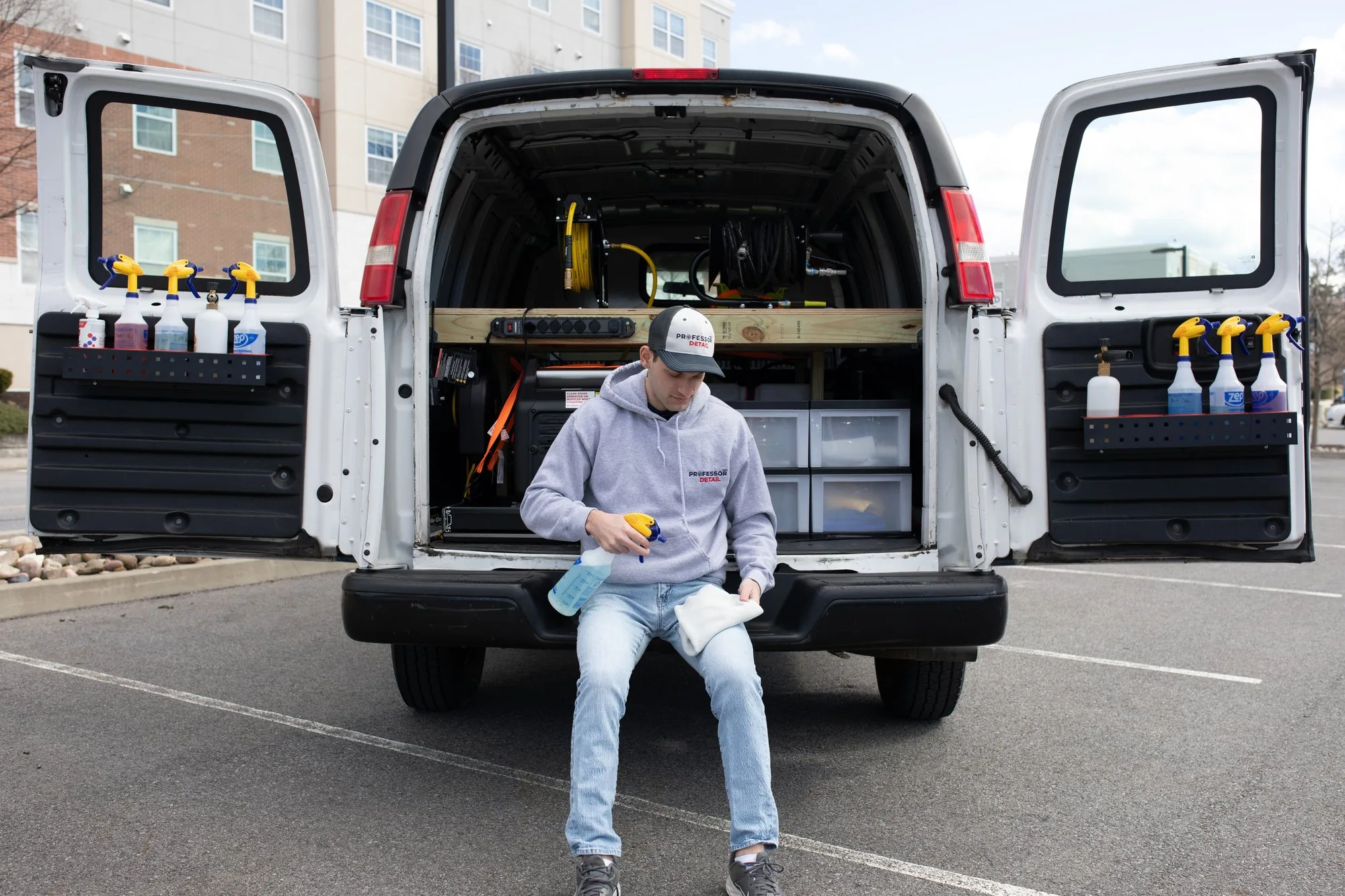
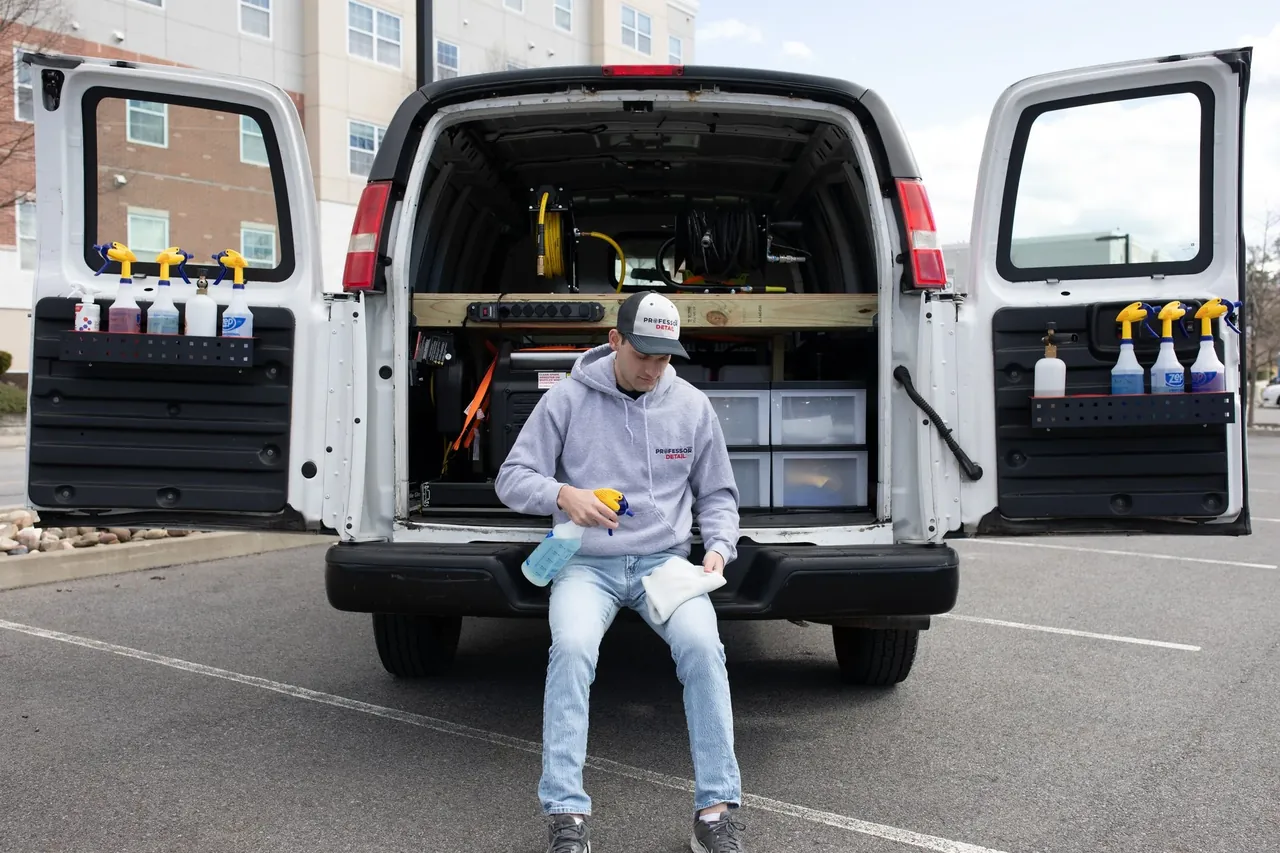
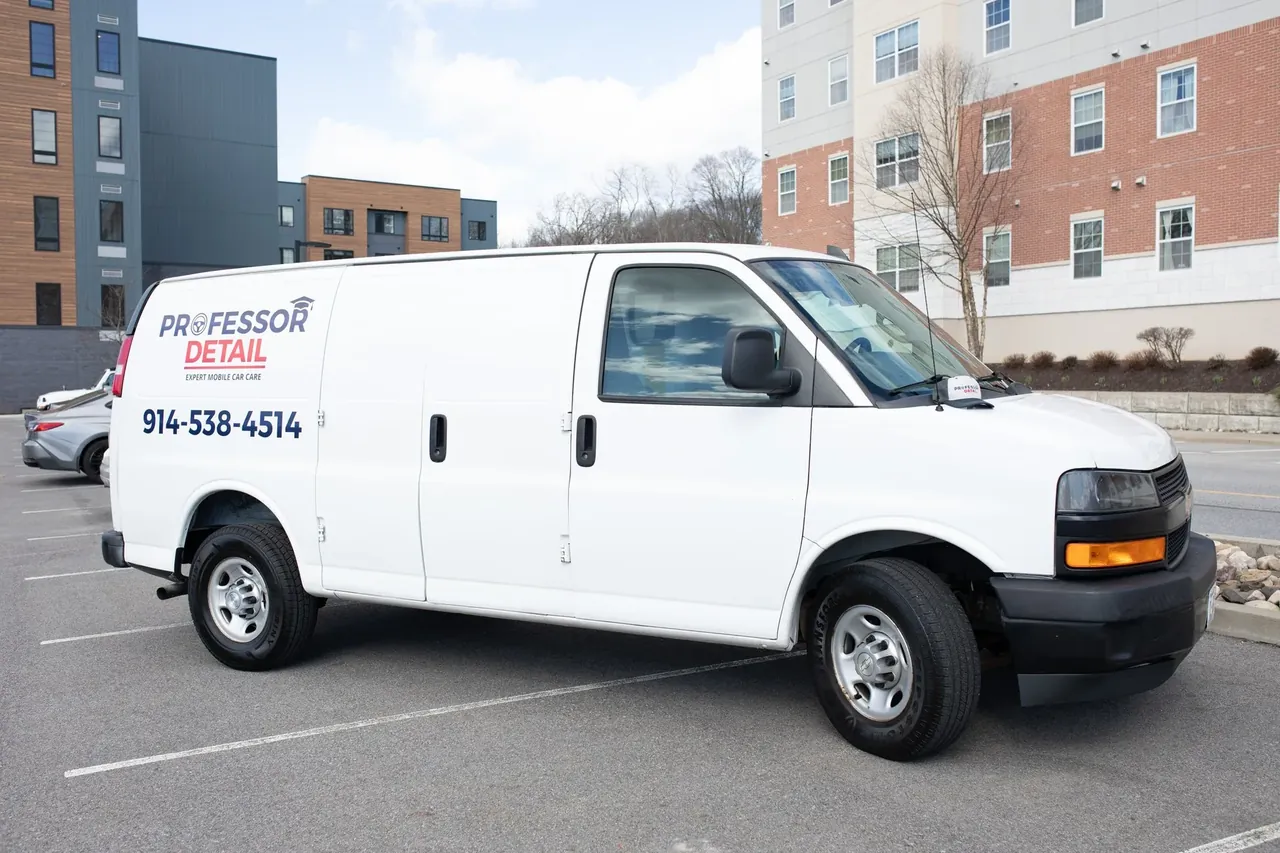
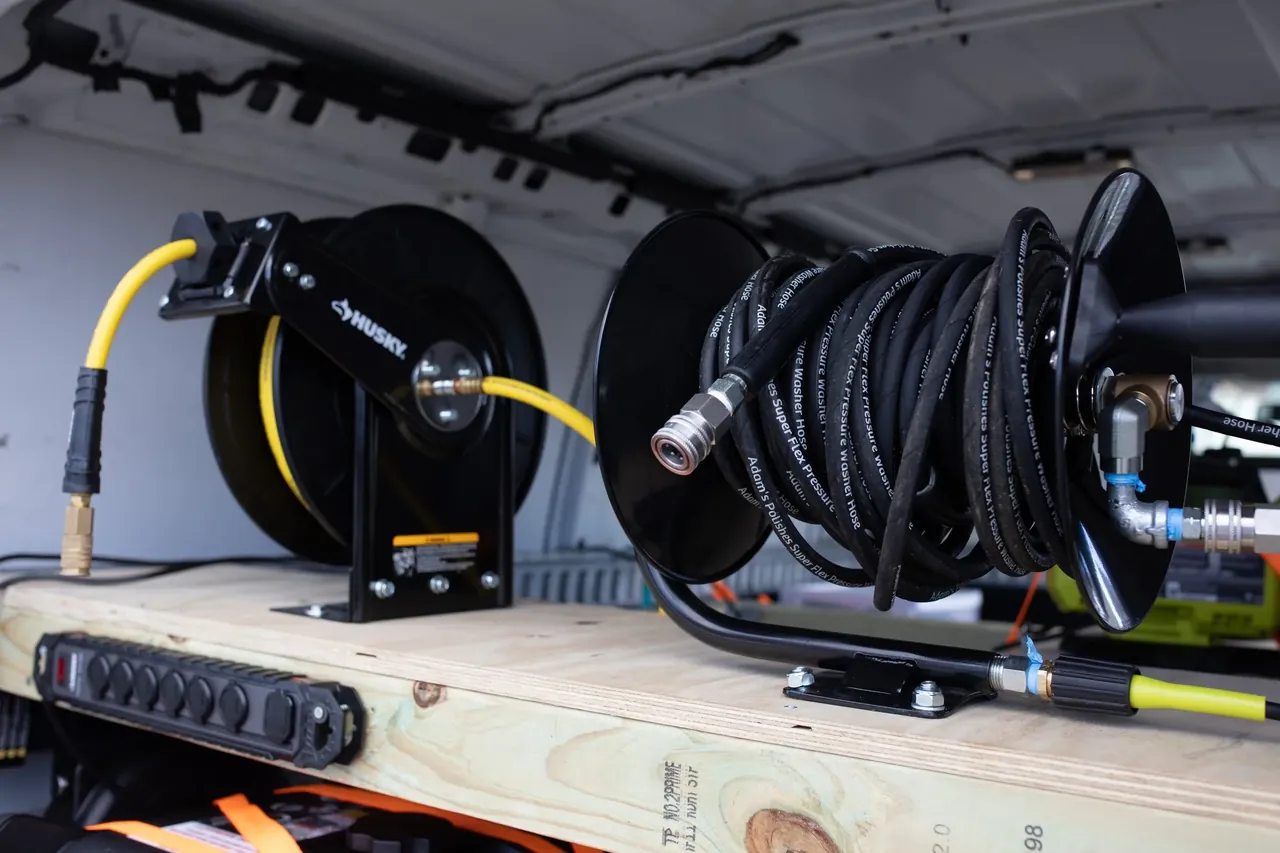
A professional mobile setup removes the biggest inconvenience of traditional detailing: giving up your car and arranging transportation. Professor Detail arrives with its own water, power, professional chemicals, polishers, lighting and equipment, allowing most detailing, paint-correction and protection work to be completed at the customer’s home or workplace.
| Consideration | Professor Detail mobile service | Traditional fixed shop |
|---|
| Your time | The detail comes to you. There is no separate drive to a shop, ride home, return trip or waiting room. | The vehicle must usually be dropped off and picked up, often requiring another ride or schedule change. |
| Water & power | Self-contained. Professor Detail carries a 75-gallon water tank and 3,500W generator, so the service does not depend on using the customer’s hose or electrical outlet. | Water and power are built into the facility. |
| Equipment | Professional polishers, chemicals, vacuums, paint-care equipment and a mobile work setup arrive with the vehicle. | Professional equipment remains at the shop. |
| Paint correction | One-step and multi-step correction can be performed mobile when the working area and conditions are suitable, so the customer gets professional polishing without transporting the vehicle elsewhere. | A permanent indoor bay provides predictable lighting and environmental control. |
| Ceramic coating | Many coating appointments can be completed through a properly planned mobile process. Professor Detail evaluates weather, shade, paint temperature and cure requirements before the appointment rather than treating every job the same. | An indoor shop provides built-in environmental control, which can be useful when weather or curing requirements make an outdoor installation inappropriate. |
| Best fit | Ideal for customers who want professional results with minimal disruption to their day. | Useful when a job specifically requires a controlled indoor environment or the customer prefers a drop-off model. |
What matters mostMobile should not mean compromised.
The meaningful difference is not whether a business has a storefront—it is whether the detailer brings the equipment, process and judgment required for the job. A self-contained mobile operation can deliver professional detailing and paint care while giving the customer back the time normally spent driving to and from a shop.
Field notes
A real example: restoring dull, oxidized paint.
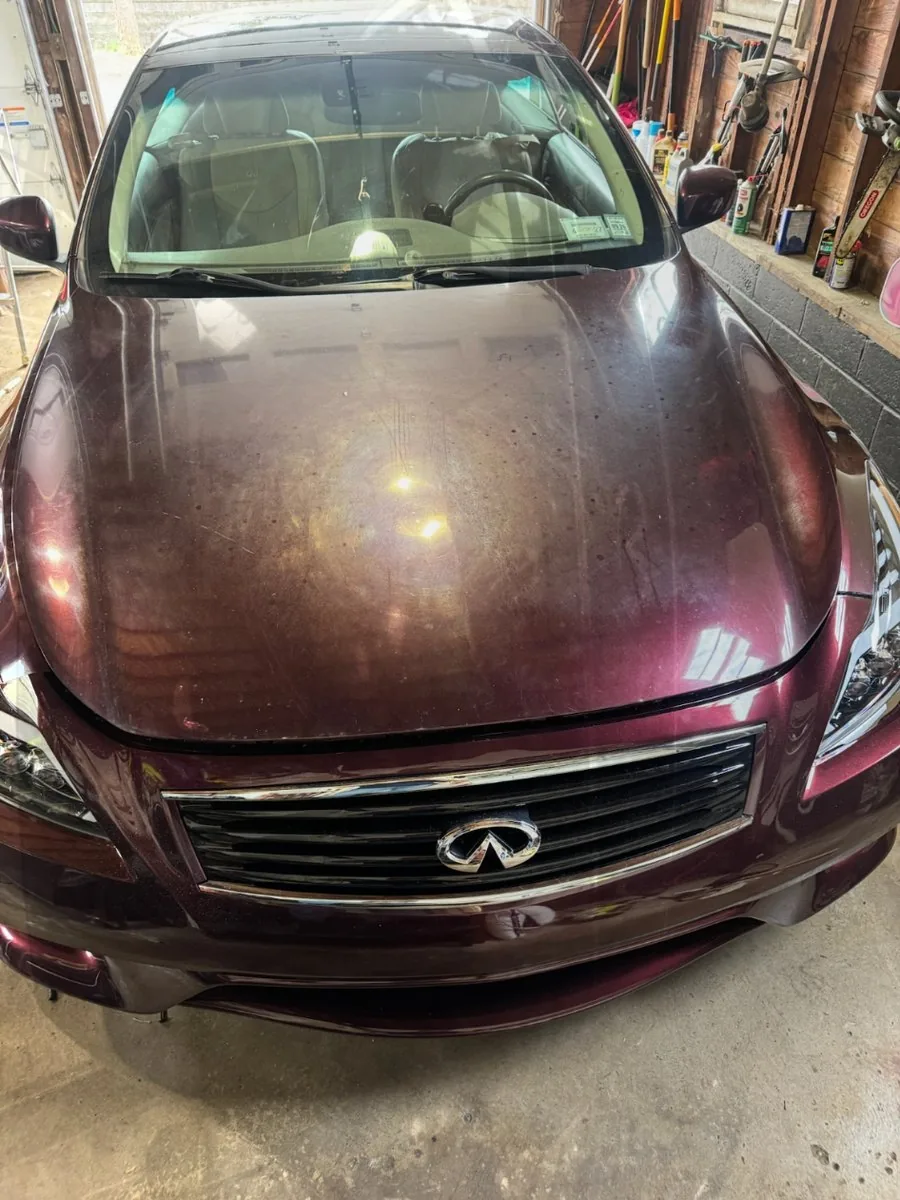
Useful car-care advice should connect to real work. This Infiniti arrived with a dull, hazy finish. Machine polishing restored depth and clarity by leveling a small amount of damaged clear coat rather than simply hiding the defects with a glaze.
Why correction came before protection.
Applying protection over dull paint would preserve the dull appearance underneath. The correct order was to decontaminate the surface, evaluate the paint, polish to improve clarity, remove polishing residue, and then protect the finish.
This is why a ceramic-coating quote should account for paint condition—not just the size of the vehicle.
Assess firstCorrect defectsProtect last
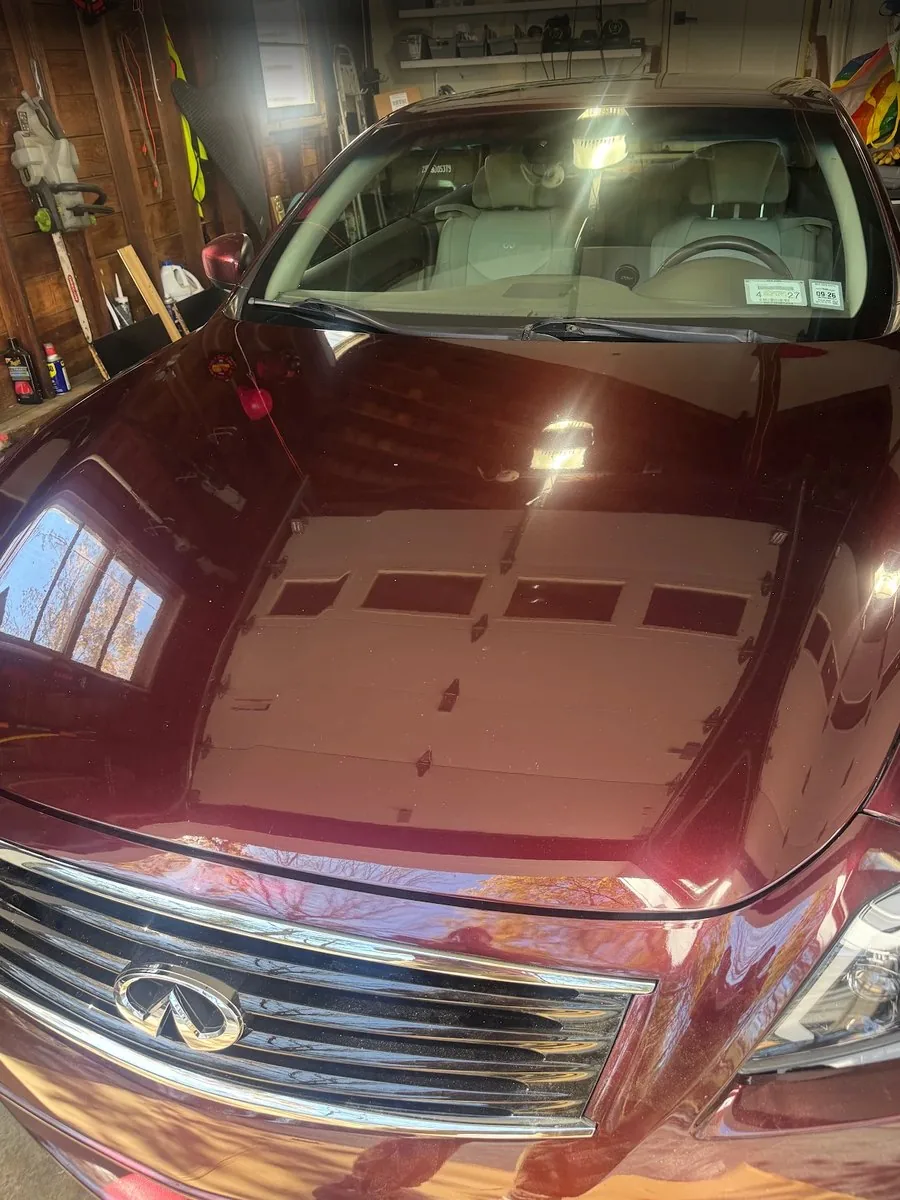
The corrected finish.
After polishing, the paint showed deeper color and clearer reflections. Not every defect must be chased to 100% removal; the goal is a meaningful improvement while preserving clear coat.
See Professor Detail's paint-correction options →
Local coverage
Where Professor Detail works in Westchester.
Professor Detail is based in North Salem and serves communities across northern and central Westchester, with additional appointments in Putnam County and Fairfield County, Connecticut.
Quick answers
Common Westchester car-care questions.
How much does car detailing cost in Westchester County?
Pricing depends on vehicle size and condition. Professor Detail full-detail service starts at $299. Larger vehicles, heavy interiors, excessive pet hair, staining and specialty contamination can require more labor and increase the final price.
How much does ceramic coating cost in Westchester County?
Professor Detail ceramic coating packages currently start at $699. Final pricing depends on vehicle size, paint condition, preparation and the coating selected.
Is ceramic coating worth it for New York winters?
For drivers who want stronger long-term paint protection and easier maintenance, yes. The coating creates a chemically resistant sacrificial barrier over the clear coat, helping separate the paint from road salt, grime and other contamination while making those deposits easier to release during proper washing. It does not prevent rock chips and routine washing is still required.
What does ceramic coating protect paint from?
Ceramic coating helps protect the clear coat from weather, UV exposure, road film, salt, bug residue, bird droppings, sap, mineral deposits and other chemical or environmental contamination by putting a resistant layer between those contaminants and the paint. It can reduce staining and etching risk when contamination is removed promptly, but it does not make paint damage-proof.
What is the difference between paint correction and ceramic coating?
Paint correction uses machine polishing to reduce visible defects such as swirls, haze and light scratches. Ceramic coating is applied after the paint is properly prepared to add longer-term protection, gloss and easier maintenance.
Is mobile detailing as capable as going to a shop?
Yes, when the mobile operation is properly equipped and the conditions fit the service. Professor Detail brings onboard water, power, professional chemicals, polishers and paint-care equipment directly to the customer, allowing most detailing and correction work to be completed without a drop-off. For weather-sensitive coating work, conditions and cure requirements are evaluated before the appointment.
Do I need to provide water or electricity?
Most Professor Detail appointments do not require customer water or electricity. The mobile setup carries a 75-gallon fresh-water tank and a 3,500W generator.
About this guide
Written by Peter Rossi, Founder of Professor Detail Auto Care
This guide is based on the vehicles, paint conditions and maintenance issues encountered through Professor Detail's mobile detailing work in Westchester and surrounding communities. Professor Detail has also been covered by Hudson Valley Magazine, Westfair Business Journal, Carwash.com and local publications.
Looking for service instead of research?
If you already know what your vehicle needs, send Professor Detail the vehicle, location and condition. We'll recommend the appropriate service and prepare a personalized estimate.
Request an Estimate